
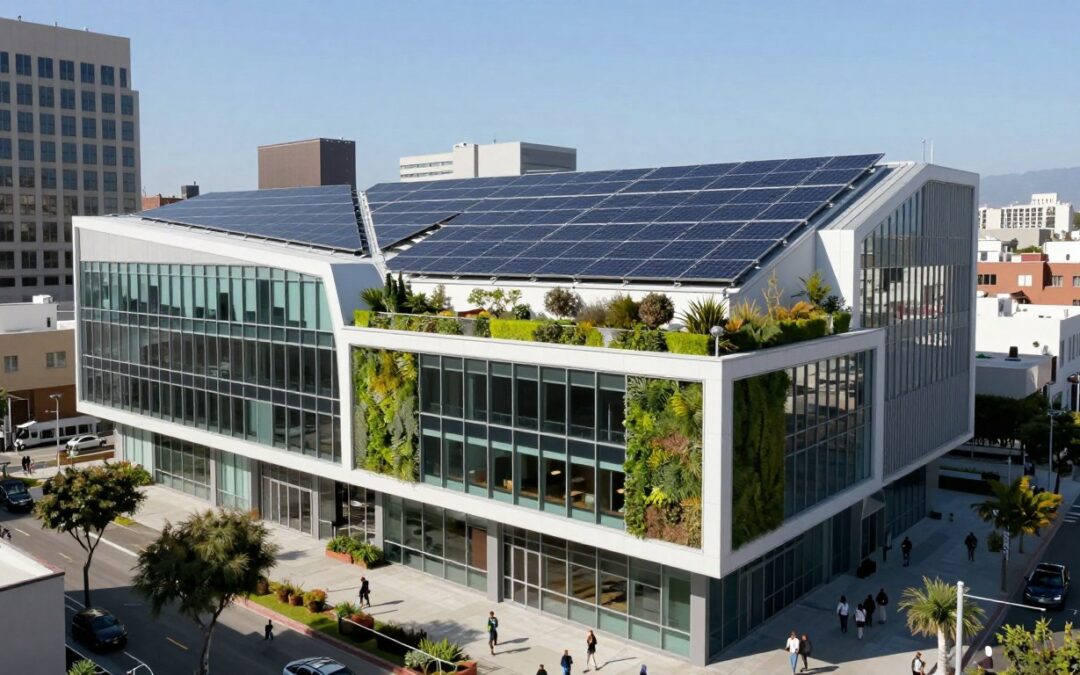
Los Angeles stands at the forefront of sustainable urban development, with innovative green building practices reshaping the city’s skyline. As environmental consciousness grows, developers are embracing eco-friendly approaches that reduce carbon footprints while creating healthier living and working spaces. This forward-looking exploration reveals how sustainable and green Property Developments Los Angeles are setting new standards for 2026 and beyond, combining cutting-edge technology with environmental stewardship to create a more resilient urban landscape.
Energy-Efficient Buildings: The New Standard in Los Angeles

Energy efficiency has become the cornerstone of sustainable Property Developments Los Angeles. As the city moves toward its 2026 goals, buildings are increasingly designed to minimize energy consumption while maximizing comfort and functionality.
Smart Building Technologies
The integration of smart technologies is revolutionizing how buildings operate in Los Angeles. Advanced building management systems now control lighting, heating, cooling, and ventilation based on occupancy patterns and external conditions. These intelligent systems can reduce energy consumption by up to 30% compared to conventional buildings.
By 2026, we expect to see widespread adoption of AI-powered building systems that learn from usage patterns and automatically optimize energy consumption. These systems will seamlessly integrate with renewable energy sources, creating buildings that respond dynamically to both occupant needs and environmental conditions.
Passive Design Strategies
Los Angeles developers are increasingly incorporating passive design principles that take advantage of the city’s Mediterranean climate. Strategic orientation, natural ventilation, and thoughtful window placement reduce the need for mechanical cooling and heating, significantly lowering energy demands.

The Wilshire Grand Center exemplifies this approach, using a high-performance building envelope and strategic shading to reduce cooling loads by 40%. Similar strategies are being implemented across new developments, with projections showing that passive design could reduce overall building energy use in Los Angeles by 25% by 2026.
Want to learn more about energy-efficient building technologies?
Discover how these innovations can reduce operating costs while enhancing comfort and sustainability.
Explore Energy SolutionsRenewable and Sustainable Materials Transforming Construction
The use of renewable and sustainable materials is reshaping construction practices in Los Angeles. Developers are moving away from traditional resource-intensive materials toward options that minimize environmental impact while maintaining structural integrity and aesthetic appeal.

Innovative Material Solutions
Cross-laminated timber (CLT) is gaining popularity as a sustainable alternative to concrete and steel. This engineered wood product offers comparable strength while sequestering carbon and reducing the embodied energy of buildings. The First Street Apartments in Downtown LA showcase how CLT can be used effectively in multi-story residential developments.
Recycled and upcycled materials are also becoming standard in Los Angeles construction. From recycled steel and concrete to reclaimed wood and repurposed fixtures, these materials reduce waste while adding unique character to developments. By 2026, industry experts predict that 40% of building materials in new Los Angeles developments will come from recycled or renewable sources.
Locally Sourced Materials
The emphasis on locally sourced materials is reducing transportation emissions while supporting regional economies. Los Angeles developers are increasingly partnering with local manufacturers and suppliers to source everything from facade materials to interior finishes within a 500-mile radius.
This approach not only reduces the carbon footprint associated with material transportation but also creates resilient supply chains less vulnerable to global disruptions. The trend toward local sourcing is expected to grow significantly by 2026, with projections indicating a 35% increase in locally sourced construction materials.
LEED-Certified and Green-Certified Projects Leading the Way
Los Angeles is experiencing a surge in buildings certified under Leadership in Energy and Environmental Design (LEED) and other green certification programs. These third-party verifications ensure that buildings meet rigorous sustainability standards across multiple categories.

Notable LEED Projects Shaping Los Angeles
The Sustainable LA Grand project, scheduled for completion in 2025, is on track to achieve LEED Platinum certification. This mixed-use development incorporates on-site renewable energy generation, water recycling systems, and extensive green spaces. It will serve as a model for future developments throughout the city.
By 2026, industry analysts predict that over 60% of new commercial developments in Los Angeles will pursue LEED certification, with a growing number targeting the highest Platinum level. This shift reflects both market demand for sustainable spaces and regulatory incentives that make certification financially advantageous.
Beyond LEED: Emerging Certification Standards
While LEED remains prominent, other certification programs are gaining traction in Los Angeles. The WELL Building Standard, which focuses specifically on occupant health and wellness, is increasingly being pursued alongside LEED. Similarly, the Living Building Challenge, with its rigorous requirements for net-positive energy and water use, is inspiring ultra-high-performance buildings across the city.
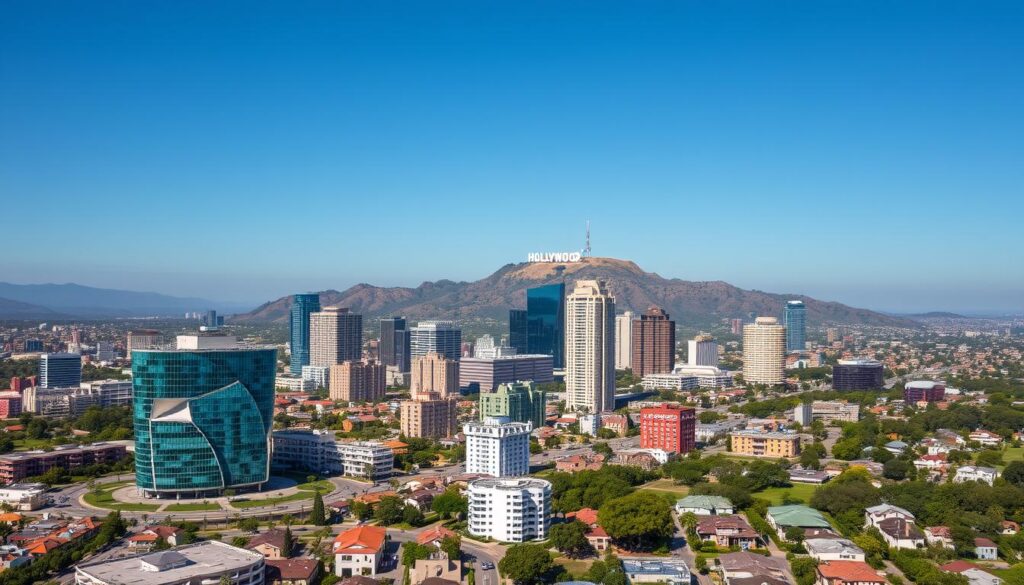
The Eco-District Initiative in Downtown LA exemplifies this trend, pursuing multiple certifications to create a holistic approach to sustainability. By 2026, experts anticipate that most major developments will pursue complementary certifications that address different aspects of sustainability.
Interested in green building certifications?
Learn which certification programs might be right for your property development project.
Explore Certification OptionsIntegrating Green Spaces into Urban Planning
The integration of green spaces has become a defining feature of sustainable Property Developments Los Angeles. These spaces go beyond aesthetics, providing crucial environmental services while enhancing quality of life for residents and visitors.

Rooftop Gardens and Green Roofs
Rooftop gardens are transforming previously unused spaces into productive green areas. These installations reduce the urban heat island effect, manage stormwater, and provide recreational spaces for building occupants. The Echo Park Green Roof Initiative has already converted over 50,000 square feet of rooftop space into thriving gardens, with plans to double this figure by 2026.
Beyond their environmental benefits, green roofs are increasingly viewed as valuable amenities that enhance property values. Studies indicate that buildings with accessible green roofs command rental premiums of 7-10% compared to conventional buildings.
Vertical Gardens and Living Walls
Vertical gardens are bringing nature to urban environments where ground-level space is limited. These living walls improve air quality, reduce noise pollution, and create visually striking facades. The Wilshire Boulevard Tower features a 15-story living wall that filters air pollutants while reducing the building’s cooling requirements.

By 2026, industry experts predict that vertical gardens will be standard features in new commercial and multi-family developments throughout Los Angeles, driven by both environmental benefits and their positive impact on occupant well-being.
Community Gardens and Urban Agriculture
Community gardens are becoming integral components of residential developments, providing food production opportunities while fostering community connections. The South LA Urban Farming Initiative has incorporated agricultural spaces into affordable housing developments, improving food security while reducing transportation emissions associated with food distribution.
These productive landscapes are particularly valuable in addressing food desert issues in underserved neighborhoods. By 2026, projections indicate that 30% of new residential developments in Los Angeles will include some form of food production space.
Developments Focused on Reducing Carbon Footprint
As Los Angeles works toward its climate goals, property developments specifically designed to minimize carbon emissions are gaining prominence. These projects address both operational and embodied carbon, creating truly comprehensive approaches to sustainability.

Net Zero Energy Developments
Net zero energy buildings, which produce as much energy as they consume, represent the gold standard in sustainable development. The Lincoln Heights Community Center achieves this balance through a combination of energy efficiency measures and on-site renewable energy generation. Its rooftop solar array produces 105% of the building’s annual energy needs, with excess power feeding back into the grid.
By 2026, all new municipal buildings in Los Angeles will be required to meet net zero energy standards, with private developments expected to follow suit. Tax incentives and expedited permitting for net zero projects are accelerating this transition across the city.
Carbon-Neutral Construction Practices
Addressing embodied carbon—the emissions associated with building materials and construction processes—is becoming a priority for Los Angeles developers. The Venice Beach Eco-Apartments utilized carbon-sequestering materials and low-carbon concrete to reduce embodied carbon by 40% compared to conventional construction.

Construction companies are increasingly adopting electric equipment, prefabrication techniques, and careful materials selection to minimize carbon emissions during the building process. By 2026, industry leaders predict that carbon accounting will be standard practice for all major developments in Los Angeles.
Ready to reduce your project’s carbon footprint?
Connect with experts who can help you implement carbon-reduction strategies in your development.
Get Carbon Reduction StrategiesAlignment with California and National Sustainability Goals
Los Angeles’s sustainable property developments are not occurring in isolation but as part of broader state and national sustainability initiatives. This alignment creates powerful synergies that accelerate progress toward shared environmental goals.
California Climate Action Targets
California’s ambitious climate targets, including carbon neutrality by 2045, are driving innovation in Los Angeles’s building sector. The state’s Title 24 building energy efficiency standards are among the most stringent in the nation, pushing developers to adopt advanced technologies and design strategies.
Los Angeles has positioned itself as a leader in implementing these standards, often exceeding minimum requirements. By 2026, the city aims to have reduced building-related emissions by 35% compared to 2015 levels, contributing significantly to state-wide goals.
Federal Incentives and Programs
Federal programs, including tax incentives for renewable energy and energy efficiency, are providing financial support for sustainable developments in Los Angeles. The Inflation Reduction Act of 2022 has been particularly impactful, offering substantial incentives for clean energy investments in buildings.
Los Angeles developers are strategically leveraging these programs to enhance project feasibility while advancing sustainability goals. The Hollywood Green District utilized federal tax credits to incorporate a community-scale solar array that serves multiple buildings, demonstrating how national policies can support local initiatives.
International Commitments
Los Angeles’s sustainable property developments also contribute to international climate commitments, including the Paris Agreement. The city’s membership in the C40 Cities Climate Leadership Group connects its building sector to global best practices and resources.

By aligning with these international frameworks, Los Angeles is positioning itself as a global leader in sustainable urban development. The knowledge and experience gained through local projects are increasingly being shared with cities worldwide, creating a multiplier effect for climate action.
Future Trends in Los Angeles Green Property Development
Looking ahead to 2026 and beyond, several emerging trends are poised to shape the next generation of sustainable Property Developments Los Angeles. These innovations promise to further reduce environmental impacts while creating increasingly resilient and livable urban spaces.

Biophilic Design Integration
Biophilic design—which incorporates natural elements and patterns into the built environment—is moving from a niche approach to a mainstream practice. Research demonstrates that biophilic elements improve occupant well-being, productivity, and satisfaction, creating powerful incentives for implementation.
The Echo Park Biophilic Residences exemplify this trend, featuring indoor waterfalls, abundant natural light, and materials that mimic natural patterns. By 2026, biophilic design principles are expected to be standard considerations in all major developments across Los Angeles.
Circular Economy Approaches
Circular economy principles are transforming how buildings are designed, constructed, and eventually decommissioned. This approach views buildings as material banks, with components designed for eventual reuse or recycling rather than disposal.
The Downtown Circular Building Collaborative is pioneering this approach, creating a material passport system that tracks building components throughout their lifecycle. By 2026, material passports are expected to be standard practice for new commercial developments in Los Angeles.
Climate Resilience Integration
As climate change impacts become more pronounced, resilience features are being integrated into sustainable developments. These elements help buildings withstand extreme weather events, water scarcity, and power disruptions.
The Santa Monica Resilient Housing Project incorporates on-site water storage, backup power systems, and cooling centers that can serve the wider community during heat waves. By 2026, all major developments in Los Angeles are expected to include comprehensive resilience strategies as standard practice.

Stay ahead of sustainable development trends
Join our newsletter for the latest updates on green building innovations and opportunities in Los Angeles.
Subscribe to UpdatesEmbracing a Sustainable Future in Los Angeles
Los Angeles stands at the forefront of sustainable and green property developments, setting new standards for urban environments that balance human needs with environmental stewardship. As we look toward 2026, the city’s commitment to innovation, collaboration, and bold climate action promises to create buildings and neighborhoods that are not only less resource-intensive but also healthier, more resilient, and more vibrant.
The transformation underway in Los Angeles real estate demonstrates that sustainability and economic vitality can go hand in hand. By embracing green building practices, developers are creating properties that command premium values while reducing long-term operating costs and environmental impacts. This virtuous cycle is accelerating the adoption of sustainable approaches across the market.
For property owners, investors, and community members, the shift toward sustainable development represents both a responsibility and an opportunity. By supporting and participating in this transformation, stakeholders can contribute to a more sustainable Los Angeles while benefiting from the improved quality of life, reduced costs, and enhanced property values that green developments provide.

Ready to be part of Los Angeles’ sustainable future?
Connect with sustainability experts to explore green property development opportunities in Los Angeles.
Explore Green Development Opportunities