
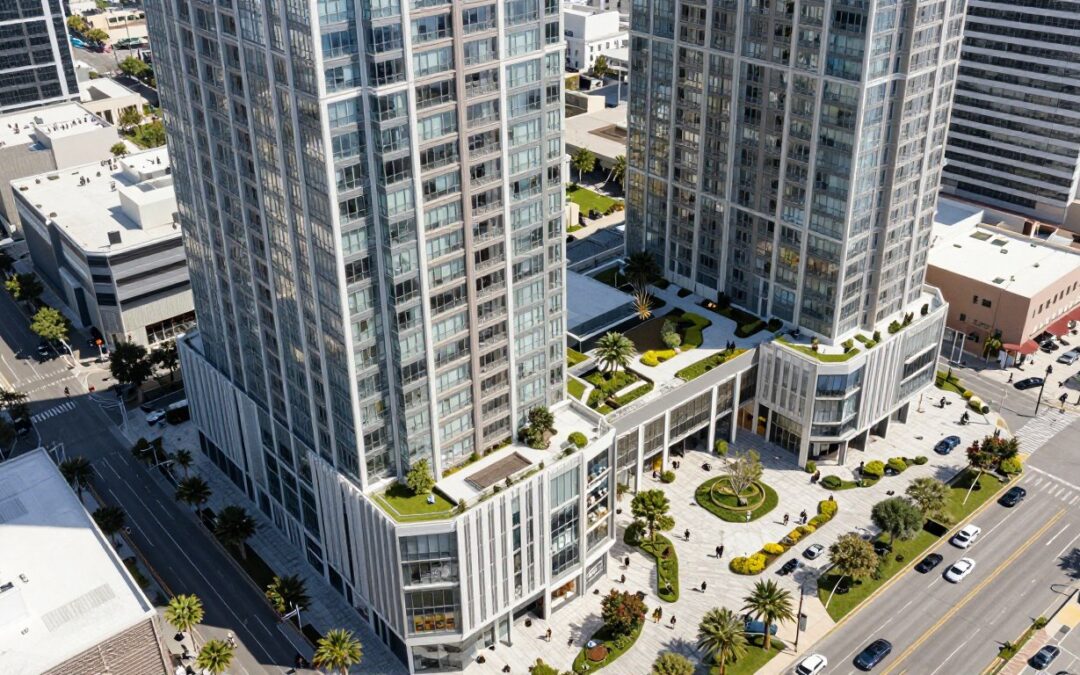
Los Angeles is on the cusp of an urban renaissance, with mixed-use property developments leading the charge toward a more connected, walkable, and vibrant cityscape. These innovative projects integrate residential, commercial, and recreational spaces into cohesive communities, transforming how Angelenos live, work, and play. As we look toward 2026, several groundbreaking developments are set to redefine the city’s landscape and address the growing demand for urban living environments that offer convenience, sustainability, and community.
Understanding Mixed-Use Development in Modern Los Angeles
Mixed-use developments represent a return to traditional urban planning principles where residential, commercial, and public spaces coexist in close proximity. These projects are designed to create walkable neighborhoods where residents can access work, shopping, dining, and entertainment without relying on cars.

Modern mixed-use developments integrate multiple functions into cohesive urban spaces
In Los Angeles, a city historically defined by sprawl and car dependency, mixed-use developments represent a paradigm shift. These projects typically feature residential units above ground-floor retail, with office space, entertainment venues, and public plazas woven throughout. The result is vibrant, 24-hour neighborhoods that maximize land use while minimizing environmental impact.
Key Components of Mixed-Use Developments
- Residential spaces (apartments, condos, townhomes)
- Retail and commercial spaces
- Office and workspace environments
- Dining and entertainment venues
- Public and green spaces
- Pedestrian-friendly design
- Transit connectivity
Benefits for Los Angeles
- Reduced traffic congestion and commute times
- Lower carbon footprint and environmental impact
- Increased housing supply in high-demand areas
- Economic revitalization of underutilized neighborhoods
- Enhanced community connections and social capital
- More efficient use of existing infrastructure
- Improved public health through walkability
Driving Forces Behind LA’s Mixed-Use Boom
Several key factors are accelerating the development of mixed-use projects across Los Angeles, creating unprecedented opportunities for developers, investors, and future residents alike.

Amenity-rich environments attract young professionals seeking urban lifestyle options
Demographic Shifts
Millennials and Gen Z professionals increasingly prefer urban living environments that offer proximity to work, dining, and entertainment. These demographics value experiences over commutes and seek housing options that support car-free or car-lite lifestyles.
Sustainability Imperatives
Los Angeles faces pressing environmental challenges, from air quality to water conservation. Mixed-use developments reduce vehicle miles traveled, support public transit usage, and can incorporate green building technologies to minimize resource consumption.
Economic Revitalization
Strategic mixed-use projects can transform underutilized areas, creating jobs, increasing tax revenue, and spurring additional investment. These developments often serve as catalysts for neighborhood-wide revitalization.
Get the Complete Market Analysis
Download our comprehensive report on Los Angeles mixed-use development trends, market forecasts, and investment opportunities through 2026.
Download Market ReportLandmark Mixed-Use Property Developments Los Angeles 2026
Several transformative projects are scheduled for completion or significant progress by 2026, reshaping Los Angeles neighborhoods and setting new standards for urban development.

The Standard at Los Angeles
Located at 3900 S. Figueroa Street near USC and Exposition Park, this ambitious project by Landmark Properties will create a vibrant hub catering primarily to students and young professionals. The development includes:
- 429 apartments with 1,236 beds in various configurations
- 15,000 square feet of ground-floor commercial space
- Preservation of five historic townhomes
- Rooftop amenities including pool and fitness center
- Multiple study lounges and community spaces
With completion expected in Fall 2026, The Standard represents a significant investment in student-oriented housing that integrates retail and community spaces.

Fourth & Central
This $2-billion mega-development in downtown Los Angeles will transform a 7.6-acre industrial site into a dynamic mixed-use community. Located at the edge of Skid Row and the Arts District, the project will include:
- 1,589 rental apartments (including 249 affordable units)
- 401,000 square feet of creative office space
- 145,748 square feet of retail and restaurant space
- 2 acres of publicly accessible open space
- 10 distinct buildings creating a varied skyline
Designed by Studio One Eleven, Fourth & Central represents one of the most ambitious urban renewal projects in Los Angeles history, with construction expected to begin in 2024.

Portico at City Place Long Beach
The first phase of an ambitious 14-acre redevelopment in Long Beach, Portico represents the transformation of an underperforming shopping center into a vibrant mixed-use district. Key features include:
- 272 residential units in various configurations
- 18,841 square feet of ground-floor retail
- Part of a master plan delivering 900 units and 40,000 square feet of commercial space
- $150 million investment in phase one alone
- Flexible retail spaces accommodating 8-10 businesses
Led by JPI with backing from Tokyo Tatemono US Ltd. and BMO Bank, Portico exemplifies the trend of repurposing struggling retail centers into mixed-use communities. Completion is expected in 2028.
Neighborhood Transformation and Community Benefits
Mixed-use developments are reshaping Los Angeles neighborhoods, creating ripple effects that extend far beyond their property lines. These projects serve as catalysts for broader urban revitalization while delivering tangible benefits to surrounding communities.

Active street frontages create vibrant pedestrian experiences in mixed-use developments
Walkability and Public Space
Mixed-use developments prioritize pedestrian experiences through thoughtful streetscape design, public plazas, and ground-floor activation. These projects often include widened sidewalks, street furniture, public art, and landscaping that benefit the entire neighborhood.
The Fourth & Central project, for example, will create 2 acres of publicly accessible open space in an area of downtown Los Angeles that currently lacks green space. Similarly, The Standard at Los Angeles incorporates pedestrian connections to nearby USC and Exposition Park.

Public plazas create gathering spaces for community interaction
Economic Revitalization
These developments create jobs during both construction and operation phases. Retail and commercial spaces provide opportunities for local businesses, while new residents increase the customer base for existing neighborhood establishments.
The Portico project in Long Beach demonstrates how mixed-use development can breathe new life into struggling retail areas. By replacing vacant storefronts with housing and carefully curated retail, the project aims to create a self-sustaining economic ecosystem.

Ground-floor retail activates streets and provides neighborhood services
“We’re really trying to deliver an elevated product for residents. These developments don’t just benefit the people who live there, but all the residents in the surrounding area that frequent these spaces.”

Mixed-use developments create connections with surrounding neighborhoods
Sustainability and Future-Proofing
Los Angeles mixed-use developments are increasingly incorporating sustainability features that reduce environmental impact while creating resilient communities prepared for future challenges.

Green roofs and renewable energy systems reduce environmental impact
Resource Efficiency
Many new developments incorporate water recycling systems, energy-efficient building envelopes, and smart building technologies that minimize resource consumption. The Standard at Los Angeles, for example, is designed to exceed California’s already stringent energy efficiency requirements.
Transit Integration
Projects like Fourth & Central are strategically located near public transit hubs, reducing car dependency. Many developments also include enhanced bicycle infrastructure, EV charging stations, and reduced parking ratios to encourage sustainable transportation choices.
Resilient Design
With climate change impacts becoming more pronounced, Los Angeles developments are incorporating features like stormwater capture, drought-resistant landscaping, and passive cooling strategies to create communities that can withstand future environmental challenges.
Market Outlook for Mixed-Use Developments Through 2026
Despite current challenges in the real estate financing environment, the long-term outlook for mixed-use developments in Los Angeles remains strong. Several factors suggest continued growth in this sector through 2026 and beyond.
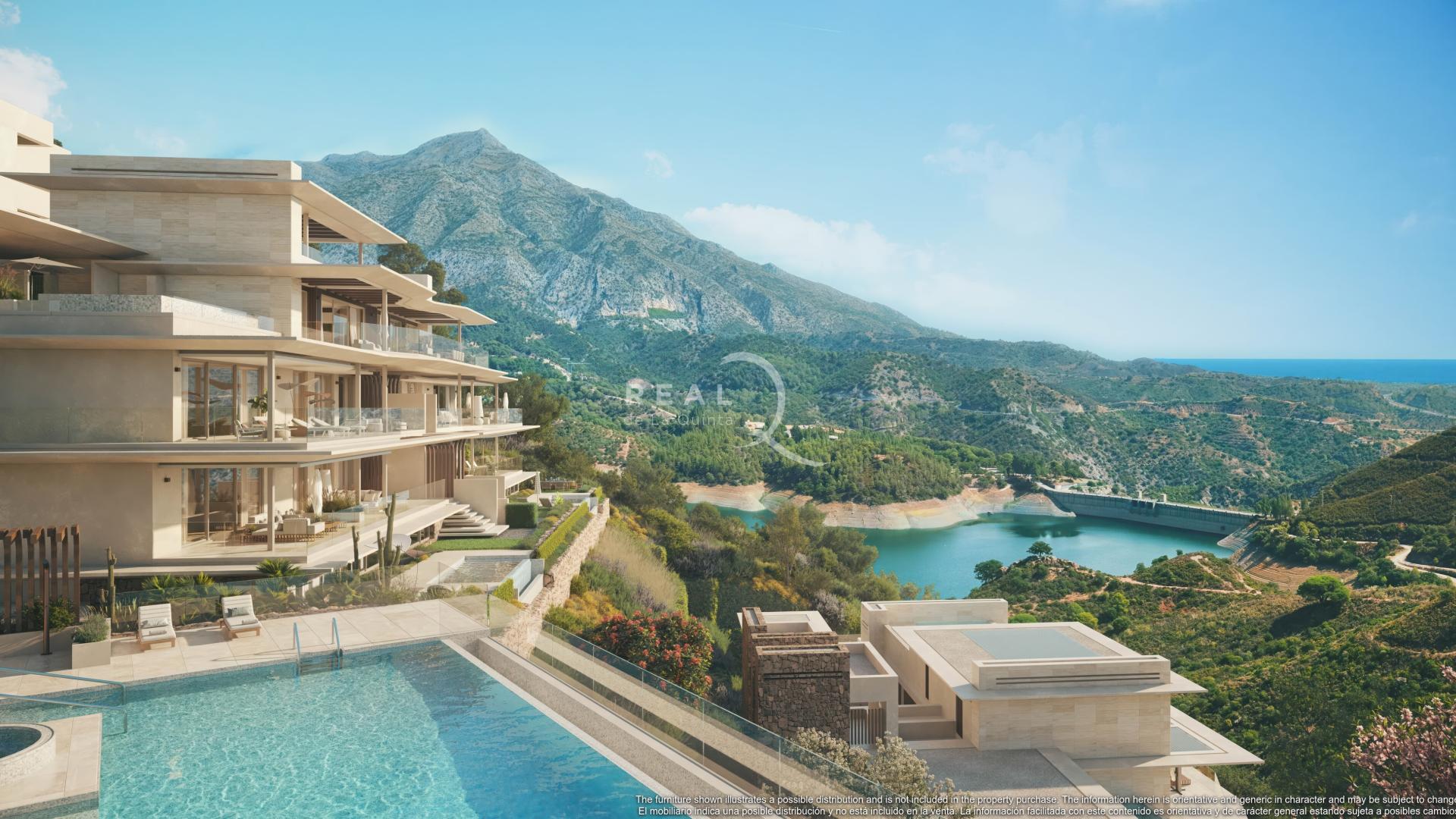
Market projections show continued growth in mixed-use development through 2026
Market Strengths
- Strong demographic demand from millennials and Gen Z
- Supportive policy environment from city officials
- Increasing investor interest in ESG-aligned projects
- Proven resilience of mixed-use assets during economic downturns
- Potential for premium rents and strong absorption rates
Market Challenges
- High construction costs and interest rates
- Complex entitlement and approval processes
- Uncertainty around housing policies and regulations
- Equity investor hesitancy due to changing market conditions
- Competition for prime transit-oriented locations
Despite these challenges, developers with long-term vision and strong financial backing continue to advance mixed-use projects in Los Angeles. The fundamental demand drivers—demographic preferences, sustainability imperatives, and the need for housing—remain strong, suggesting that well-conceived projects will find both financing and market acceptance.
The Future of Urban Living in Los Angeles
Mixed-use property developments represent more than just real estate projects—they embody a vision for a more connected, sustainable, and vibrant Los Angeles. As these developments progress toward completion in 2026, they will reshape neighborhoods, create new opportunities for residents and businesses, and establish models for urban development that could influence cities worldwide.
The projects highlighted in this article—The Standard at Los Angeles, Fourth & Central, and Portico—represent just a fraction of the mixed-use developments transforming Los Angeles. Each contributes to a broader urban renaissance that prioritizes human-scale design, community connection, and environmental responsibility.
For investors, developers, and future residents, these mixed-use developments offer compelling opportunities to participate in the evolution of one of America’s most dynamic cities. As Los Angeles continues to grow and change, mixed-use developments will play a crucial role in creating the vibrant, sustainable urban environments that will define the city’s future.

Mixed-use developments create vibrant environments that remain active throughout the day and evening
Stay Informed About LA’s Development Landscape
Subscribe to our newsletter for quarterly updates on mixed-use developments, market trends, and investment opportunities in Los Angeles.